


KROTECT™
What is KROTECT™?
Even lower thermal conductivity and higher compressive strength than conventional heat insulators that outperform static air
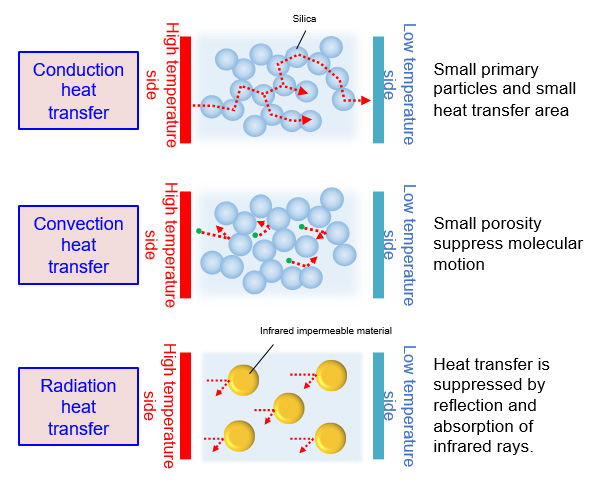
KROTECT™ is a nanoporous insulation material composed of fumed silica, infrared impermeable materials, and inorganic fibers. It has a very low thermal conductivity and provides excellent heat insulation performance even at high temperatures.
Benefits
Providing high added value by improving thermal insulation performance and strength
Energy savings achieved through improved thermal insulation performance
Reduced heat dissipation (energy loss) from furnace bodies and other equipment.
Optimization of material usage
Reduced amount of insulation material used per fuel cell, contributing to cost reductions.
Improved installation
Slimmer design reduces installation space and expands flexibility of installation location.
Improved compressive strength
Reduced risk of insulation damage during installation and assembly, improving work efficiency.
* For details, refer to Krosaki Harima's environmental brand "K-GenesisX™".KROTECT™ | Low Thermal Conductivity/High Thermal Insulation Nanoporous Insulation | K-GenesisX™
KROTECT™ Specifications
| Product | KROTECT-NEO | KROTECT-RX | ||
|---|---|---|---|---|
| Insulation type | High heat resistance | Low thermal conductivity | ||
| Thermal conductivity [W/(m・K)] |
200℃ | GHP method JIS A 1412-1 |
0.026 | 0.022 |
| 400℃ | 0.028 | 0.024 | ||
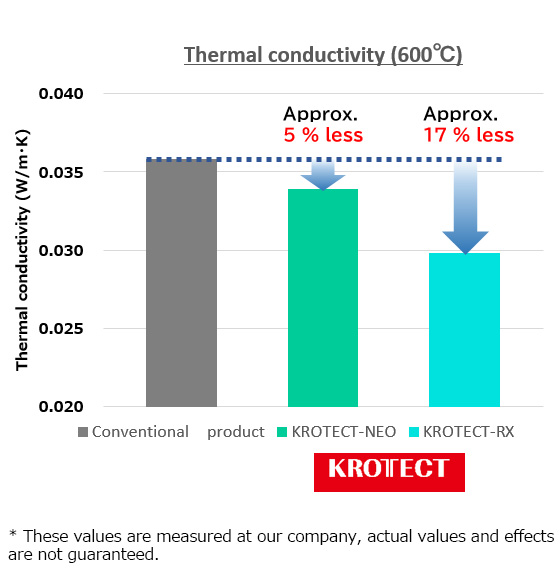
| 600℃ | 0.034 | 0.030 | ||
| 800℃ (Estimation*) | (0.042) | (0.038) | ||
| Compressive strength [MPa] (10% compressive stress) |
Our company original method |
0.86 | 0.84 | |
| Bulk density | 285kg/m3 (Reference 0.285g/cm3) |
285kg/m3 (Reference 0.285g/cm3) |
||
| Heat resistance temperature [℃] |
950 | 900 | ||
| The board size [mm] | 1000×750×t10~50 | |||
All values of the specification are not guaranteed. The specification can be changed without notice.
Comparison with various insulation materials (thermal conductivity)
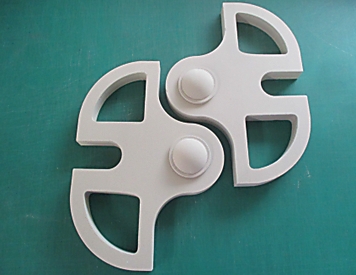
Machining
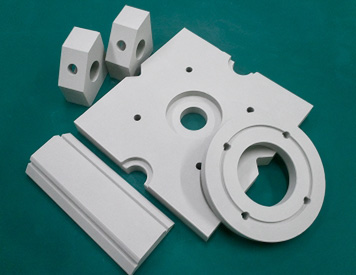
Shape processing is possible based on the construction location.
Applications
- Steelmaking processes: Various kiln furnaces for blast furnaces and electric furnaces
- Aluminum: Ladle and foundry equipment
- Fuel cells: Insulation around stack and reformer
- Automobiles: Insulation around engine and exhaust pipes
- Chemical plant: Petroleum refining facilities
- Rechargeable batteries: Intercellular heat insulation
